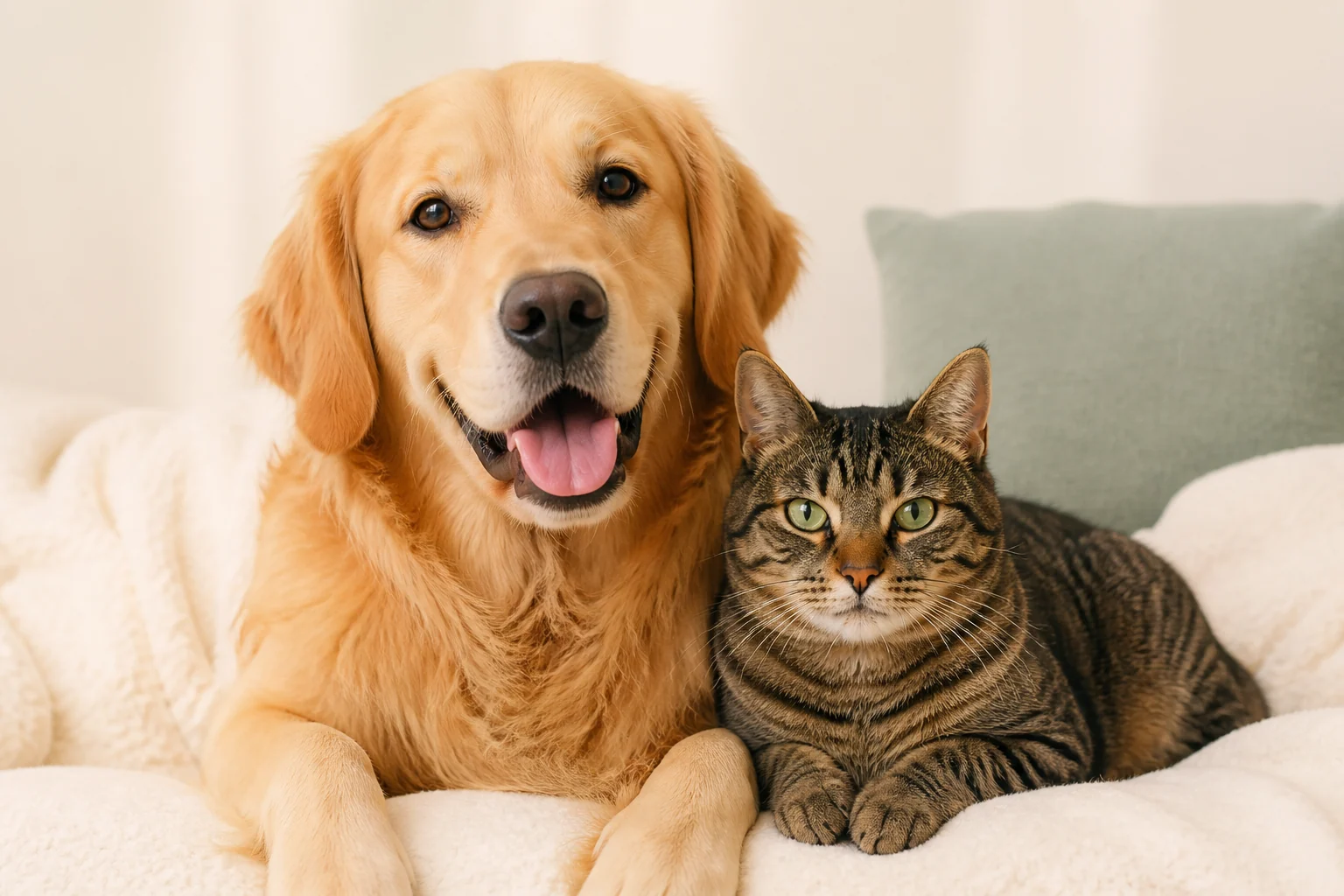
How to Prepare a Pet for a Hotel Stay: A Practical Safety Checklist
Planning a hotel stay with a pet? Follow this checklist to confirm property rules, pack essentials, prevent escapes, maintain routines, and arrange veterinary support.
Preparing a pet for a hotel stay: start with suitability
A successful hotel stay with a pet begins before booking. The right preparation depends on your pet’s health, temperament, travel experience, and ability to cope with an unfamiliar room, as well as the property’s specific rules and the destination’s available support. Hotel policies vary, and a “pet-friendly” label is not a universal standard.
Use this checklist to plan the stay, reduce avoidable risks, and decide whether travelling with your pet is the best option.
Quick hotel-stay checklist
Use this summary before booking and again before arrival.
- Assess whether your pet is likely to cope with travel and an unfamiliar room.
- Confirm the hotel’s accepted species, restrictions, fees, records, room-access rules, housekeeping arrangements, and unattended-pet policy.
- Pack identification, records, familiar supplies, restraint equipment, medications, cleaning supplies, litter supplies when applicable, and a pet first-aid kit.
- Identify a local veterinarian and a 24-hour emergency veterinary hospital.
- Secure your pet during entrances, exits, elevator rides, housekeeping visits, and other door-opening situations.
- Inspect the room for hazards and create a quiet, secure area with familiar items.
- Maintain feeding, bathroom, exercise, rest, and medication routines, and monitor appetite, energy, and behavior daily.
1. Decide whether a hotel stay is suitable
Not every pet can adapt safely to hotel travel. The available evidence is stronger for dogs and general pet travel than for cats or all other species, so avoid assuming that advice developed for dogs applies equally to every pet.
- Consider your pet’s health, temperament, previous travel experience, and response to unfamiliar places.
- Think carefully about any history of separation anxiety or difficulty remaining alone.
- If your pet becomes highly stressed or cannot safely remain alone, a trusted caregiver at home may be safer than a hotel stay.
- When you are unsure whether travel is appropriate, discuss the plan with a veterinarian.
2. Confirm the hotel’s pet policy
Contact the hotel directly before booking and ask for its current rules. Policies can differ between properties and may cover species, size, number, breed, fees, documentation, housekeeping, and unattended-room requirements. Ask questions before paying a deposit so you can confirm that the arrangement suits both you and your pet.
- Accepted species, including whether the property accepts your particular pet.
- Size, number, or breed restrictions.
- Pet fees, deposits, and other charges.
- Required vaccination or health records and other paperwork.
- Room-access rules and any leash, harness, crate, or carrier requirements.
- Whether pets may be left unattended in a room.
- Housekeeping procedures, including whether staff need to enter the room.
- Suitable rooms and nearby walking or relief areas, where relevant.
3. Prepare documents and pack a hotel-stay kit
Keep important records and contact details easy to find rather than packed at the bottom of your luggage. Before travel, acclimate your pet to its crate, carrier, or harness so the equipment is familiar.
- Current identification and contact information, with microchip information where applicable.
- Relevant vaccination or health records and licenses where applicable.
- Recent photos of your pet.
- Your veterinarian’s contact information and emergency contacts.
- Familiar food, water, bowls, bedding, and toys.
- Prescribed medications as directed by your veterinarian.
- A leash or harness and a sturdy crate or carrier.
- Cleaning supplies and litter supplies when applicable.
4. Plan veterinary support
Planning veterinary support in advance is part of responsible travel preparation. A veterinarian can help you work through concerns about whether travel is appropriate for your individual pet.
- Identify a local veterinarian before you arrive.
- Find a 24-hour emergency veterinary hospital at the destination.
- Keep both contacts readily available during the trip.
- Discuss any proposed travel-anxiety medication or sedative with a veterinarian; do not give medication based on general travel advice.
5. Make arrival and room transitions safer
Arrival creates several opportunities for an escape, particularly while moving through entrances, hallways, elevators, and doorways. Secure transitions are important even if your pet is usually calm. A crate or another suitable barrier may help create a secure area, but it does not remove every risk.
- Keep the pet leashed, harnessed, crated, or otherwise secured during entrances and exits.
- Use the same precautions in elevators and whenever a room, vehicle, or exterior door may open.
- Inspect the room for exposed cords, open windows, and other visible hazards.
- Set up a quiet, secure area with familiar bedding or toys.
- Keep identification and contact information current and attached or available as appropriate.
6. Prevent escapes, noise, and housekeeping problems
Unfamiliar staff entering the room or an unfamiliar environment may create additional challenges. A sign, crate, or barrier may support your plan, but none guarantees that barking, escape, or other problems will be prevented. If the property does not permit unattended pets, arrange care that follows its policy.
- Ask the front desk how housekeeping visits are handled.
- Coordinate with housekeeping if your pet is in the room or if you need a different arrangement.
- Leave contact information with the front desk if the property requests it.
- Use a Do Not Disturb sign where appropriate.
- Do not assume that your pet can safely be left alone in an unfamiliar room.
- Follow the hotel’s rules about unattended pets, room access, and noise.
7. Maintain routines and monitor your pet
Familiar routines can make the stay more predictable. Bring the food and items your pet already knows rather than relying on the hotel or destination to provide them. Daily monitoring also helps you notice changes while you are away from home.
- Keep feeding times as consistent as possible.
- Maintain the usual bathroom routine.
- Preserve familiar exercise and rest patterns.
- Continue medication routines as prescribed.
- Check appetite, energy, and behavior every day.
- Respond to concerning changes by contacting a veterinarian.
8. Final departure checklist
A final check helps prevent both lost supplies and unsafe door-opening moments. Continue to follow the hotel’s requirements until you have left the property.
- Confirm that identification, records, emergency contacts, and veterinarian details are packed.
- Check that food, water, bowls, bedding, toys, medications, cleaning supplies, litter supplies when applicable, and the first-aid kit are accounted for.
- Secure your pet before opening the room door.
- Follow the property’s checkout and pet rules.
- Inspect the room for belongings before leaving.
Conclusion
The core plan is simple: assess whether the trip suits your pet, confirm the hotel’s exact rules before booking, pack familiar supplies and essential records, secure your pet during transitions, coordinate housekeeping, maintain routines, monitor daily, and identify veterinary support nearby.
There is no universal safe time limit for leaving a pet alone in a hotel room. If your pet becomes highly stressed or cannot safely remain alone, the welfare-focused choice may be a trusted caregiver at home or another travel plan. When health, anxiety, or travel suitability is a concern, consult a veterinarian.
Frequently asked questions
What should I ask a hotel before booking a stay with my pet?+
Confirm which species the property accepts and ask about size, number, or breed restrictions; fees and deposits; required vaccination or health records; room-access rules; leash or carrier requirements; housekeeping arrangements; and whether pets may be left unattended. Ask whether the hotel can recommend suitable rooms and nearby walking or relief areas. “Pet-friendly” does not describe one universal set of standards, so verify the details directly with the property.
Can I leave my pet alone in a hotel room?+
Do not assume that leaving a pet alone is permitted or safe. Hotel policies vary, and no universal safe time limit was established by the available research. Dogs generally should not be left alone in an unfamiliar hotel room until they have settled; dogs with a history of separation anxiety may not be safe left alone at all. Ask the hotel about its rules and consider a trusted caregiver at home if your pet becomes highly stressed or cannot safely remain alone.
What should I pack for a pet hotel stay?+
Pack familiar food, water, bowls, bedding, toys, prescribed medications, a leash or harness, a crate or carrier, cleaning supplies, litter supplies when applicable, and a pet first-aid kit. Also bring identification and contact information, relevant vaccination or health records, recent photos, emergency contacts, and your veterinarian’s details.
How can I prevent my pet from escaping at a hotel?+
Keep your pet leashed, harnessed, crated, or otherwise secured during entrances, exits, elevator rides, housekeeping visits, and any other situation in which a door may open. Check that identification and contact information are current. A crate or other barrier may help create a secure area when appropriate, but no arrangement eliminates every escape risk.
How can I make a hotel room safer for my pet?+
Inspect the room when you arrive for hazards such as exposed cords or open windows. Set up a quiet, secure area with familiar bedding or toys, and keep your pet secured during door-opening situations. Follow the hotel’s housekeeping procedures and use a Do Not Disturb sign where appropriate.
Should I bring my pet’s vaccination records or medical documents?+
Bring relevant vaccination or health records, licenses where applicable, identification details, recent photos, emergency contacts, and veterinarian contact information. The hotel or destination may have its own documentation requirements, so confirm them before booking.
How can I help my pet adjust to an unfamiliar hotel room?+
Assess whether the trip suits your individual pet before booking. Bring familiar food, bedding, toys, and dishes; maintain regular feeding, bathroom, exercise, rest, and medication routines; and create a quiet, secure area. Monitor appetite, energy, and behavior each day. If your pet becomes highly stressed, contact a veterinarian and reconsider whether the stay is appropriate.
How do I find veterinary support near the hotel?+
Before arrival, identify a local veterinarian and a 24-hour emergency veterinary hospital at the destination. Keep their contact information readily available, along with your regular veterinarian’s details and emergency contacts.
Sources and references
The links below are the references associated with this guide. The access date shows when Karevu recorded the source in its editorial process.
- Pet Travel Safety — Centers for Disease Control and PreventionAuthoritative sourceResearch URL cross-checkedAccessed: Aug 30, 2026
Travel preparation should include updated microchip and contact information, current vaccinations, relevant documents, food, water, leash or harness, medications, and a pet first-aid kit. Travelers should keep their veterinarian’s contact information and the number of a 24-hour emergency veterinary hospital at the destination readily available, and perform a daily health check while away.
- Travel Training for You and Your Pets — U.S. Food and Drug AdministrationAuthoritative sourceResearch URL cross-checkedAccessed: Aug 30, 2026
Pet owners should contact the hotel ahead of time to confirm it is pet-friendly, research veterinary hospitals near the destination, and acclimate pets to their crate, carrier, or harness before travel. The FDA advises discussing any proposed sedative with a veterinarian because sedation can reduce a pet’s ability to respond to the environment and may be dangerous.
- Traveling safely with your dog: cars, planes and pet-friendly stays — Cornell University College of Veterinary MedicineAcademic / peer-reviewedResearch URL cross-checkedAccessed: Aug 30, 2026
Before booking, owners should assess whether the destination and itinerary are suitable for the dog, confirm hotel policies, ask about fees, house rules, and safe walking areas, and bring a crate or baby gate to create a secure space. Dogs generally should not be left alone in an unfamiliar hotel room until they have settled; dogs with separation-anxiety histories may not be safe left alone at all because of escape, barking, or destructive-behavior risks.
- Traveling With Your Pet: Pet Friendly Hotels — VCA Animal Hospitals; content written by LifeLearn Animal HealthVeterinary professional sourceResearch URL cross-checkedAccessed: Aug 30, 2026
Hotel policies may include species, size, number, breed, fee, deposit, vaccination, housekeeping, and unattended-room requirements. Owners should request an appropriate room, check for nearby green space, carry identification and medical records, pack extra food and medication, bring familiar bedding and toys, inspect the room for hazards such as exposed cords or open windows, use a crate when away, leave contact information with the front desk, and use a Do Not Disturb sign or coordinate with housekeeping.
- Planning and preparation are important when traveling with family pets. Follow these tips to make the trip more enjoyable for you all. Your veterinarian can help you work out the details. — American Veterinary Medical AssociationVeterinary professional sourceResearch URL cross-checkedAccessed: Aug 30, 2026
Owners should determine whether travel is appropriate for the individual pet, clarify what a hotel’s “pet-friendly” designation includes, and check for breed or size restrictions, paperwork, and relevant amenities. Recommended preparations include accurate identification, microchipping where possible, proof of vaccination or health documents when applicable, familiar food, toys and dishes, a portable kennel, and emergency contact information. During the stay, owners should use a Do Not Disturb sign and notify housekeeping and the front desk if the pet is left alone, maintain regular routines
- Pets and Service Animals — Public Safety CanadaAuthoritative sourceResearch URL cross-checkedAccessed: Aug 30, 2026
A pet emergency file should include recent photos, emergency contacts, licenses, vaccination records, and veterinarian contact information. Useful equipment includes a sturdy crate or carrier, leash or harness, food, water, bowls, litter supplies, medications with dosage information, and a pet first-aid kit. Emergency planning should include identifying hotels that accept animals, animal clinics, and other possible destinations.